Oct 07, 2026
Connect With Our Team

Checkers Grey Roof Tiles for Stylish and Cooler Buildings
A roof shapes the appearance of a building and affects indoor comfort. Checkers grey roof tiles offer a clean, modern finish with a patterned surface that adds depth to visible sloped roofs. They can suit homes, resorts, offices, schools, and other low-rise projects.
However, grey colour or checkered texture alone does not make a roof cooler. Thermal performance depends on solar reflectance, insulation, ventilation, underlayment, shade, and installation quality. Here is what to consider when comparing design, durability, cooling potential, and long-term value.
What Are Checkers Grey Roof Tiles?
The Checkered Texture and Grey Finish
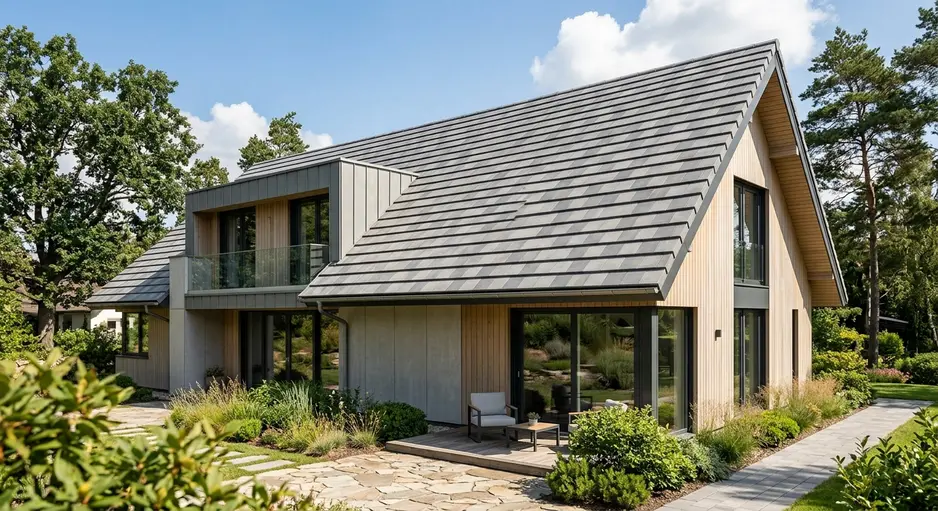
Checkers grey roofing tiles combine a neutral grey finish with a patterned or checkered surface. The pattern creates small areas of light and shadow, helping a large roof look more detailed without using a bold colour.
“Checkered” usually describes the tile’s appearance or surface design. It does not confirm the material, strength, water resistance, or thermal rating. Buyers should review the product data before choosing checkered roof tiles for buildings.
Materials and Roof Tile Formats
These tiles may be made from concrete, cement-based materials, clay, ceramic, or another approved roofing material. Some products use a coating or glazed finish. Formats may include interlocking tiles and mechanically fixed systems. Composition and application must always be confirmed with the manufacturer.
Where Are They Used?
- Independent homes, villas, and farmhouses
- Gated communities and residential developments
- Resorts, restaurants, and hospitality properties
- Schools, shops, offices, and institutional buildings
- Porches, entrance canopies, gazebos, and clubhouses
Why Grey Roof Tiles Suit Modern Architecture
Grey Roof Tile Designs for Contemporary Exteriors
Grey works with a broad range of exterior materials. It pairs well with white or cream walls, exposed concrete, brick, natural stone, and timber. It also complements black or aluminium window frames used in modern architectural design.
For a light and open exterior, consider light or medium grey with white walls. A deeper grey can look striking beside timber or stone accents. This flexibility makes grey tiles for modern roofs suitable for both minimalist and mixed-style buildings.
Visual Depth Without a Bold Colour
A plain roof can appear flat, especially when it covers a wide area. Checkered tiles for roofing create shadow lines that change as the sun moves. The result is visual depth while the neutral colour keeps the overall design balanced.
Ask for physical samples before making a final choice. Screen colours can vary from the installed finish. View each sample in direct sunlight, shade, and wet conditions. Coordinate it with gutters, ridge tiles, fascia boards, paving, and wall finishes.
Do Grey Roof Tiles Keep Buildings Cooler?
Does Roof Colour Affect Indoor Temperature?
Roof colour can affect heat absorption. In general, lighter surfaces absorb less solar energy than darker surfaces. Yet visible colour is not a complete measure of performance. Two products with a similar shade may behave differently because of their material, coating, and surface properties.
It is therefore inaccurate to call all grey roofing tiles energy-efficient roof tiles. Ask for measured performance instead of relying on terms such as “heatproof,” “cool,” or “energy-saving.”
Solar Reflectance and Thermal Emittance
Solar reflectance shows how much incoming solar energy a roof reflects. Thermal emittance indicates how effectively it releases absorbed heat. Guidance from the U.S. Department of Energy and the Cool Roof Rating Council treats both as key factors in roof surface temperature.
For heat reflective roofing, request tested values where available. Consider how those values fit the local climate, roof slope, and building design.
How a Complete Roof Supports Solar Heat Reduction
A cooler roof depends on several parts working together:
- A reflective tile surface or suitable coating
- An air space beneath the roof covering
- Effective eave or ridge ventilation
- Reflective underlay or a radiant barrier where appropriate
- Continuous roof or ceiling thermal insulation
- Shade, orientation, and sealed roof penetrations
A textured profile may affect small-scale shading, drainage, or airflow. However, texture alone is not proof of cooling performance. The Bureau of Energy Efficiency and ECBC guidance also supports a whole-building approach that considers reflectance, insulation, shading, and roof ventilation.
Benefits for Residential and Commercial Projects
Grey Roof Tiles for Homes
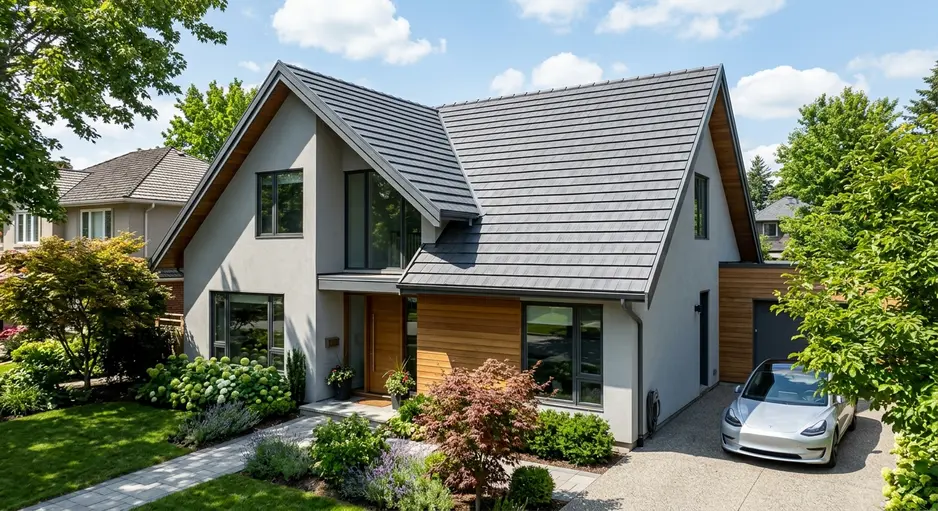
Grey roof tiles for residential projects can give villas and independent homes a calm, refined roofline. They are useful where a sloped roof is a major part of the exterior. They can also connect modern additions with traditional forms without creating a sharp colour contrast.
Grey Roof Tiles for Commercial Buildings
Grey roof tiles for commercial projects can support a consistent identity across resorts, restaurants, schools, offices, shops, and community buildings. Their neutral finish allows signs, landscape elements, stonework, and brand colours to remain visually prominent.
Durability and Weather Resistance
Durable grey roof tiles should be assessed through technical data, not appearance. Important factors include breaking strength, dimensional consistency, water absorption, moisture protection, UV resistance, and resistance to cracking or chipping.
Climate matters as well. A tile suitable for a dry inland site may face different demands in a coastal, windy, or high-rainfall location. Review weather resistant roofing requirements with the manufacturer, architect, or roofing contractor.
Low-Maintenance Roofing Potential
Grey may make light dust less visible than very dark or bright finishes. Still, no tiled roof is maintenance-free. Leaves, moss, blocked gutters, loose fittings, and damaged tiles can affect drainage and roof durability if ignored.
How to Choose Durable Grey Roofing Tiles
Which Specifications Should Buyers Compare?
Request enough information to compare products on equal terms. Useful details include:
- Tile composition and manufacturing method
- Dimensions, weight, and coverage per square metre
- Minimum recommended roof pitch
- Breaking strength or load test data
- Water absorption test results
- Solar reflectance and thermal emittance, if tested
- UV, colour stability, and weathering information
- Fastening and roofing tile installation requirements
- Warranty terms, conditions, and exclusions
- Applicable BIS or other recognised test standards
The relevant test standard can vary by tile material. Ask for current reports rather than assuming that one standard applies to every product.
Match the Product to the Site
Consider heat, heavy rain, wind, salt exposure, dust, nearby trees, and the risk of moss growth. The roof structure must also support the installed load. Check slope, span, drainage paths, and architectural form before ordering.
Evaluate the Manufacturer, Not Just the Price
A dependable supplier should be able to discuss samples, technical sheets, test reports where applicable, shade variation, fixing guidance, packaging, delivery, and warranty support. Matching ridge, hip, and edge accessories are also important for a complete system.
Buyers can contact Harsha Tiles to request current information about its Checkers Grey option, including specifications, samples, availability, accessories, and installation requirements. Confirm all project-specific details before placing an order.
Calculate the Full Installed Cost
Look beyond the cost of the field tiles. Include wastage, underlayment, battens, fasteners, flashing, ridge and hip pieces, transport, handling, labour, and spare tiles. Complex roofs usually require more cutting and accessories than simple roof forms.
Installation and Maintenance Best Practices
Correct Pitch, Overlap, and Underlayment
Follow the product-specific minimum pitch and overlap. Use compatible waterproof underlayment, correct batten spacing, and approved fasteners. Generic measurements can cause leakage or wind damage when they do not match the selected tile system.
Ventilation for Cooler Buildings
Eave and ridge ventilation can help air move beneath the roof covering. It also supports moisture control. Poor airflow may trap heat and moisture, even when reflective materials are used. Insulation should remain continuous and should not block planned ventilation paths.
Flashing, Fixing, and Water Protection
Many roof failures begin at valleys, ridges, hips, eaves, gutters, wall junctions, or service penetrations. These areas require careful flashing and fixing. Wind-exposed edges may need extra fastening based on the product instructions and local conditions.
Simple Maintenance Checklist
- Inspect the roof after severe storms.
- Replace cracked, chipped, or displaced tiles.
- Clear gutters, valleys, and drainage outlets.
- Check flashing, ridge pieces, and roof junctions.
- Remove moss or organic growth with an approved method.
- Avoid harsh chemicals or pressure cleaning unless permitted.
Practical Selection Examples
A Modern Home in a Hot Climate
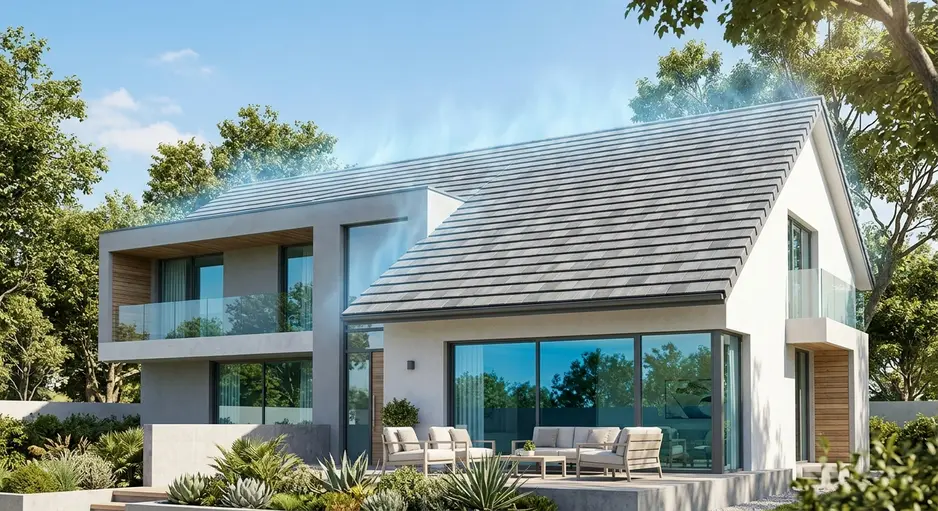
A homeowner may pair medium-grey checkered tiles with white walls and timber accents. For better comfort, the design could include a ventilated roof cavity and ceiling insulation. The buyer should compare tested reflectance, water absorption, and structural requirements before making a decision.
Expert takeaway: Select the whole roof system rather than relying on colour alone.
A Resort or Commercial Building
A resort may use grey roofing across several visible pitched roofs to create a consistent look. Before bulk procurement, the project team should approve a physical mock-up and verify shade batches, drainage, wind fixing, accessories, and spare-tile quantities.
Expert takeaway: A sample area can reveal colour, texture, joints, and workmanship issues before the full order is installed.
Five-Step Buying Strategy
- Shortlist the preferred grey shade and checkered profile.
- Confirm roof pitch and structural compatibility.
- Compare technical data and available test reports.
- Review a physical sample or completed installation.
- Request an itemised quotation for tiles, accessories, and delivery.
Buy Best Checkers Grey Roof Tiles
Build a Better Roof Through Informed Selection
Checkers grey roof tiles can bring texture, balance, and contemporary character to residential and commercial exteriors. Their real performance, however, depends on verified material properties and a well-planned roof system.
Compare samples, technical data, pitch requirements, accessories, and total installed cost. For current product details, explore the Checkers Grey option from Harsha Tiles and request specifications, availability, samples, and project-based guidance before finalising your roof.
Frequently Asked Questions About Grey Roof Tiles
1. Are grey roof tiles suitable for hot climates?
They can be suitable, but colour alone does not confirm thermal performance. Compare solar reflectance and thermal emittance, then consider insulation, ventilation, shade, and the full roof assembly. A well-designed medium-grey roof may perform better than a poorly designed lighter roof.
2. Do dark grey roof tiles make a building hotter?
Darker surfaces often absorb more solar energy, which may increase surface temperature. However, coatings and material properties can change the result. Ask for tested thermal data instead of judging performance from colour alone.
3. Are checkered roof tiles suitable for heavy rain?
They may be suitable when designed for roofing and installed at the required pitch. Correct overlap, underlayment, flashing, drainage, and fastening are essential. Confirm water absorption and rainfall suitability with the manufacturer.
4. How long do grey roofing tiles last?
Service life varies by material, manufacturing quality, climate, installation, maintenance, and exposure. There is no reliable universal lifespan for every tile. Use the product warranty, test data, and maintenance guidance to compare options.
5. Are textured grey tiles difficult to maintain?
Textured surfaces may collect dust or organic debris in some locations. Routine inspections, clear drainage channels, and manufacturer-approved cleaning can help. Avoid aggressive pressure washing because it may damage the tile surface or force water beneath it.

Whatsapp Chatx
Hi! Click one of our representatives below to chat on WhatsApp or send us email to info@harshatiles.in
 |
Mr Saleem +91 82702 80707 |
|
Mr Subramanian +91 96265 57655 |
 Design Your Dream Home