Oct 07, 2026
Connect With Our Team

300×300 mm Vitrified Tiles: Uses, Benefits and Design Ideas
Large floor tiles may be popular, but smaller formats still solve many design and installation problems. 300×300 mm vitrified tiles are easy to handle, flexible in layout and well suited to compact rooms. They can work around drains, corners, columns and other features that make larger tiles harder to install.
These tiles are used in bathrooms, kitchens, passages, utility areas and selected commercial interiors. However, size alone does not decide performance. The surface finish, technical rating, installation quality and cleaning routine all matter. This guide explains their uses, benefits, finishes, design options, pricing factors and selection criteria.
What Are 300×300 mm Vitrified Tiles?
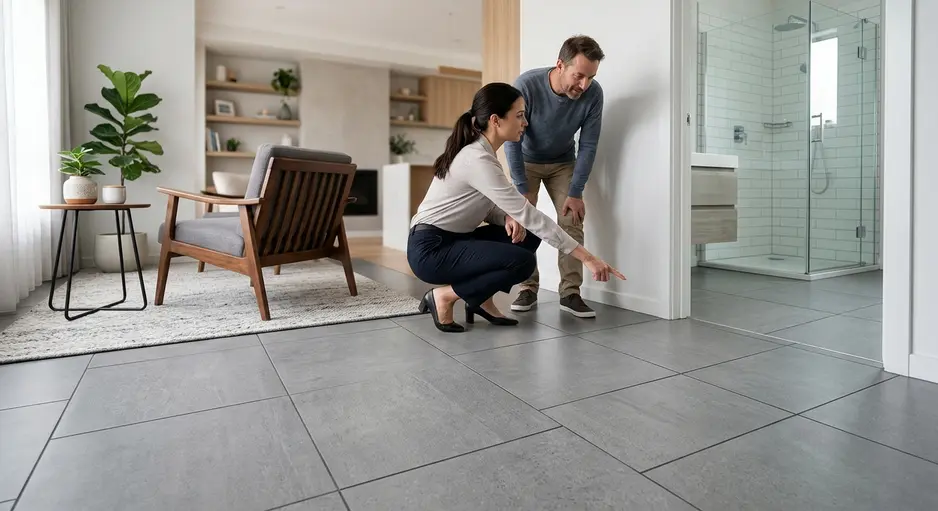
Size, construction and dense tile body
Each tile has a nominal face size of 300 mm by 300 mm. The exact dimensions may vary slightly due to calibre, manufacturing tolerance and production batch. These details matter when tiles from different batches are installed together.
During production, selected raw materials are pressed and fired to form a dense tile body. This vitrification process limits open pores and helps create a hard surface. It does not mean every product offers the same scratch, stain or slip performance.
Low water absorption and tile standards
Vitrified products generally belong to a low-water-absorption category. Under ISO 13006, BIa ceramic tiles have water absorption of 0.5% or less. Buyers should confirm the classification on the product’s technical data sheet instead of relying only on a product name.
Relevant performance data may be reported through ISO 10545 test methods and applicable BIS IS 15622 requirements. Ask for current test reports when water absorption, strength, wear or chemical resistance is important to a project.
Glazed, unglazed and rectified options
A glazed surface has a decorative layer that can reproduce marble, stone, terrazzo or concrete. Unglazed or full-body options carry material through more of the tile body. Polishing creates a smooth, reflective face, but it does not make a tile suitable for wet floors.
Rectified edges are mechanically finished for consistent sizing and neat joints. Not every tile is rectified, and even rectified tiles need grout joints based on the manufacturer’s instructions.
Where Can 300×300 Vitrified Tiles Be Used?
Quick application guide
- Bathroom floor: Choose a matte or structured finish with verified wet-area grip.
- Kitchen floor: Consider matte or low-sheen glazed tiles that are easy to clean.
- Balcony or utility area: Use textured, application-rated products suited to moisture and exposure.
- Retail or office floor: Match the abrasion rating to expected foot traffic.
- Bedroom or living area: Select polished or matte surfaces according to the desired look and upkeep.
Bathrooms and floor drains
300×300 vitrified tiles for bathrooms are useful because the smaller units can follow changes in floor slope. They also require fewer difficult cuts around a central or corner drain.
For example, in a compact bathroom with a central drain, an installer can adjust several small tiles to create a steady fall from the walls. A large tile may need complex diagonal cuts to achieve the same result.
Choose a tested slip resistant surface for bathroom floor applications. More grout lines may add some underfoot grip, but grout is not a substitute for documented slip-test performance. Highly polished surfaces should not be selected for wet floors based on appearance alone.
Kitchens and frequently cleaned floors
300×300 vitrified tiles for kitchens can manage compact layouts, cabinets and service points well. Look for stain resistance, a practical finish and grout that can cope with spills, grease and frequent cleaning.
Neutral stone, subtle terrazzo and low-contrast geometric designs are easy to coordinate. A matte finish often hides smudges better than a reflective surface, although actual cleaning needs depend on the product texture.
Residential rooms and utility areas
For residential projects, this size suits entrances, passages, storerooms, balconies and utility rooms. It can also add detail to bedrooms or living areas through borders and patterned layouts.
Outdoor or semi-outdoor use must be confirmed from the product rating. Exposure to rain, sunlight and temperature changes creates different demands from a dry indoor room.
Commercial spaces
300×300 tiles for commercial spaces may be considered for shops, offices, clinics and back-of-house areas. Before selection, review expected traffic, surface wear, cleaning methods and replacement availability.
Not every small-format tile is made for heavy commercial use. Glazed surface abrasion ratings and relevant deep-abrasion data for unglazed products should match the project.
Benefits of 300×300 Vitrified Floor Tiles
Efficient installation in compact layouts
Small format vitrified tiles are easier to position around corners, niches, drains and columns. They may reduce awkward cutting in irregular rooms and renovations. Their size also makes individual pieces easier to handle during installation.
Performance suited to the application
Scratch resistance, stain resistance and abrasion resistance describe different properties. A tile that resists stains may not have the wear rating required for a busy shop. In the same way, a polished product may show fine marks more clearly than a matte one.
Compare test data rather than treating these features as universal benefits. The right specification depends on footwear, foot traffic, exposure to dirt and the cleaning process.
Easy maintenance flooring
Low tile porosity can support easy maintenance flooring. Routine care normally includes sweeping, clean water and a manufacturer-approved pH-neutral cleaner. Promptly cleaning spills helps prevent residue from collecting on textured surfaces.
Grout needs separate attention. Cement-based grout may need sealing or periodic deep cleaning, while other grout types have different care needs. Follow the grout manufacturer’s directions.
Flexible layouts and repairs
Square vitrified tiles can form grids, checkerboards, borders and framed zones. If a tile becomes damaged, a small section may be simpler to replace than a large slab. Keep spare tiles from the original batch because future shade and calibre may differ.
Limitations to consider
- More grout joints need more cleaning than large-format floors.
- Poor alignment becomes visible across a grid layout.
- Light or contrasting grout may show dirt quickly.
- Too much colour contrast can make a compact room feel busy.
- Installation labour can rise when the design includes borders or complex patterns.
Which Finish Is Best for 300×300 Floor Tiles?
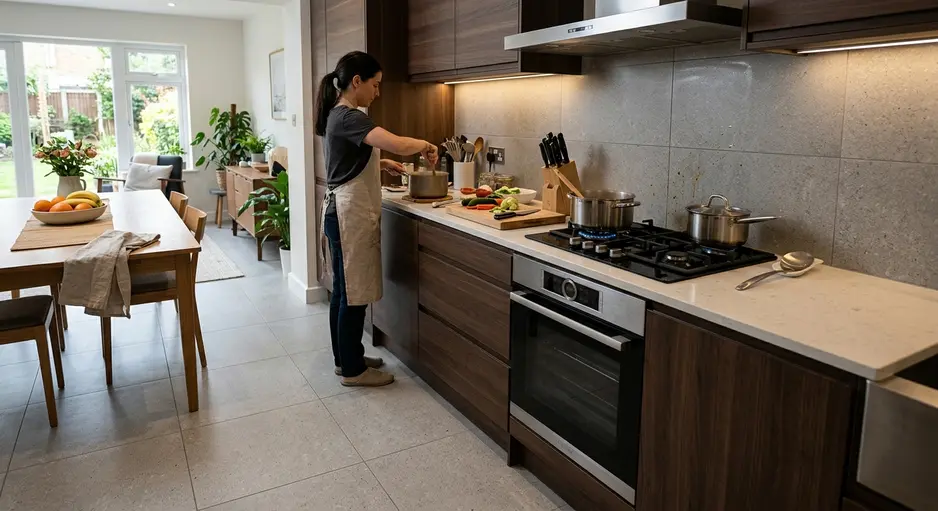
Polished finish for dry interiors
A polished finish reflects light and creates a sleek appearance. It may suit bedrooms, living rooms and selected low-moisture commercial interiors. It can also show dust, smudges and fine surface marks more clearly.
Polished does not mean slip resistant. Avoid using appearance as the only guide, especially where water or grease may reach the floor.
Matte finish for daily use
A matte finish has lower glare and a softer look. It is often practical for kitchens, passages and many home interiors. Matte tiles are available in stone, cement and plain-colour effects, making them easy to use in modern schemes.
Textured surfaces for wet areas
Bathrooms, utility rooms and other spill-prone locations usually need a textured or tested slip resistant surface. Request the relevant slip-test report. Terms such as “anti-skid” should not replace measurable product data.
Glazed options for more variety
Digital glazing can create marble, wood, stone, terrazzo and geometric looks. For areas with regular traffic, check the surface wear classification. A decorative finish intended for a quiet residential room may not suit a busy retail entrance.
300×300 Vitrified Tile Designs and Layout Ideas
Classic checkerboard layouts
Checkerboard layouts remain a strong choice for kitchens, cafés and entrances. Black and white create a bold retro look, while beige and brown feel warmer. Two muted grey shades offer a softer version of the same pattern.
Geometric flooring patterns
Alternating colours can create diagonals, framed areas or simple geometric flooring patterns. Borders can define a dining zone, reception desk or passage without adding walls. In small rooms, limit the palette to two or three tones to avoid visual clutter.
Monochrome grids
One tile colour with tone-on-tone grout creates a calm, consistent surface. This approach works well in minimalist kitchens and compact bathrooms. Accurate joint widths are important because uneven lines are easier to see on a plain grid.
Stone, terrazzo and concrete effects
Stone-look designs bring warmth to residential interiors. Terrazzo can add energy to kitchens, cafés and creative workspaces. Concrete effects suit modern offices, passages and practical utility areas.
Can small tiles make a room look larger?
Small tiles do not automatically make a room feel smaller. Light colours and low-contrast grout can reduce visual breaks. A diagonal layout may make some floors appear wider, though it can increase cuts and wastage.
Consistent joints also help. Where practical, continue a similar floor tone into connected areas to create a smoother visual flow.
How to Choose and Install 300×300 Tiles
Match technical details to the room
Before ordering 300×300 mm floor tiles, review the following points:
- Water absorption classification
- Surface finish and slip-test result
- Stain and chemical resistance
- Glazed abrasion or relevant unglazed wear data
- Tile thickness and intended application
- Shade, calibre and production batch
- Rectified or non-rectified edges
Check batch consistency
Buy from the same production batch where possible. Before fixing begins, dry-lay pieces from several boxes and blend cartons to manage normal shade variation. Retain spare tiles for later repairs.
Plan grout and movement joints
Follow the recommended grout width. Rectified tiles should not be installed without joints unless the manufacturer and project specification explicitly allow it. Movement and perimeter joints should be planned with the installer, architect or project engineer.
Choose grout colour based on both design and cleaning needs. Dark grout hides some marks but may create a stronger grid. A close colour match gives the floor a more seamless look.
Prepare the substrate and use suitable adhesive
The base should be stable, flat, clean and properly cured. Use an adhesive designed for vitrified tiles and the installation location. Follow its instructions for mixing, coverage and curing.
For bathrooms, verify the waterproofing and floor fall before laying begins. Tile quality cannot correct a weak substrate, poor slope or low adhesive coverage.
Common installation mistakes
- Using polished tiles in floors that stay wet
- Ignoring drainage falls and low points
- Mixing batches without checking shade or calibre
- Using joints that are narrower than recommended
- Failing to provide movement accommodation
- Cleaning with unapproved acids or abrasive tools
Price Factors and Supplier Checklist
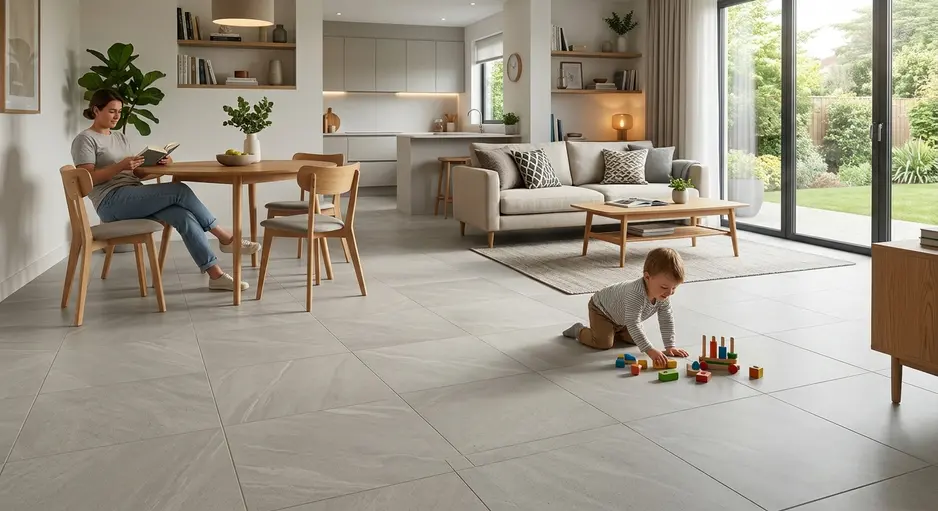
What affects the 300×300 vitrified tile price?
The price depends on the finish, construction, design complexity, thickness and technical rating. Order volume, packaging, freight, taxes and delivery location also affect the final quotation.
Compare the total installed cost rather than the tile rate alone. Include adhesive, grout, labour, cuts, surface preparation and wastage. Patterned floors may require more time and material than a straight grid.
How to evaluate a manufacturer or supplier
When assessing a 300×300 vitrified tile manufacturer or supplier, request:
- A current technical data sheet and applicable test reports
- Shade, calibre and batch information
- Recommended applications and cleaning guidance
- Samples and packaging details
- Minimum order quantity and lead time
- Replacement and complaint procedures
- A quotation showing freight and taxes
Approve samples before a bulk order
View samples under the project’s actual lighting. Check how the finish looks when dry and, where relevant, wet. Test cleaning on a sample and approve a control piece for larger orders.
Contact Harsha Tiles to ask about current 300×300 vitrified tile designs, specifications, samples, availability and project quotations. Confirm all technical requirements before ordering.
Buy Best 300×300 mm Vitrified Tiles
Choose the Right Tile for the Space
300×300 mm vitrified floor tiles combine a practical size with flexible design options. They can simplify work around drains and corners while supporting grids, borders and patterned floors.
For the best result, look beyond size and colour. Compare finish, slip data, water absorption, wear ratings, batch details and total installation cost. Explore available options or contact Harsha Tiles for specifications, samples and project-based guidance before placing an order.
Frequently Asked Questions
1. Are 300×300 mm vitrified tiles good for bathrooms?
They can be a practical choice because the format is easy to cut around drains and can follow floor slopes. Select a matte or structured product with verified wet-area slip performance. Proper waterproofing, drainage and installation remain essential.
2. Are 300×300 vitrified tiles suitable for kitchen floors?
Yes, provided the product has suitable stain and wear performance. Matte or low-sheen surfaces are often practical for kitchen floor applications. Choose easy-to-clean grout and remove grease or food spills promptly.
3. Do vitrified tiles absorb water?
Vitrified tiles generally have low water absorption. ISO 13006 classifies BIa tiles as having absorption of 0.5% or less. Confirm the classification and ISO 10545 test results for the specific product.
4. Are polished vitrified tiles slippery when wet?
Some polished surfaces may offer less grip when wet. They should not be chosen for bathrooms or spill-prone floors without suitable slip-test data. A matte or structured surface is usually a more practical starting point.
5. Are 300×300 tiles outdated?
No. They remain useful for compact rooms, wet-area slopes, checkerboards, borders and retro interiors. The final effect depends on colour, grout and layout. A monochrome grid can look clean and contemporary.


Whatsapp Chatx
Hi! Click one of our representatives below to chat on WhatsApp or send us email to info@harshatiles.in
 |
Mr Saleem +91 82702 80707 |
|
Mr Subramanian +91 96265 57655 |
 Design Your Dream Home